
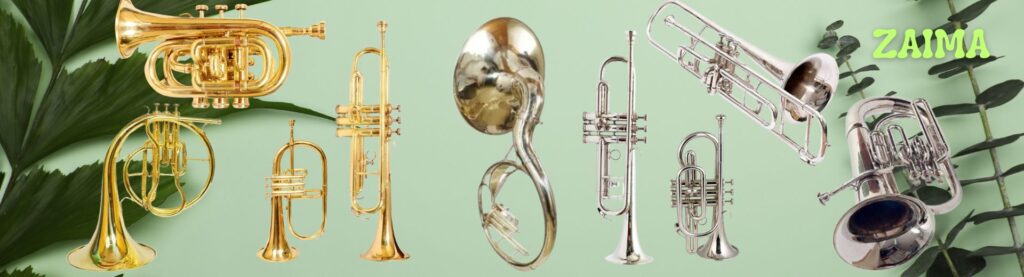

Musical Instruments/Music has always been an integral part of human culture, spanning across civilizations and time periods. From the rhythmic beats that unite a tribe to the complex compositions of symphonic orchestras, musical instruments have played a key role in the evolution of music and culture. Whether crafted from simple materials or designed with sophisticated technology, musical instruments have been used for entertainment, worship, and communication.
At Al Yamuna Overseas Pvt Ltd, we specialize in the manufacture and export of high-quality handcrafted musical instruments. Our products range across percussion, string, brass, and woodwind instruments, each of which carries a rich history and cultural significance. In this blog post, we will delve into the world of musical instruments, exploring their types, uses, and the meticulous craftsmanship behind their creation.
What Are Musical Instruments?
A musical instrument is any device or object that produces sound with the purpose of creating music. They vary in form, sound, and the way they produce vibrations. These vibrations can be produced through several methods, including striking, plucking, bowing, or blowing air. Musical instruments are categorized into several families based on the method of sound production. These include percussion instruments, string instruments, brass instruments, and woodwind instruments.
Each family has its unique characteristics, ranging from the material used, the technique of play, and the genre of music it typically supports. Musicians, composers, and music lovers around the world appreciate the diversity and beauty that each family of instruments contributes to the overall sound of an ensemble.
Types of Musical Instruments
- Percussion Instruments
Percussion instruments are perhaps the most primal category of musical instruments. They produce sound by being struck, shaken, or scraped. The sound originates from the vibration of the object itself, often in conjunction with the air surrounding it.
Types of Percussion Instruments:
- Drums: These include hand drums, bass drums, snare drums, and tom-toms. Drums come in various sizes and can be played with sticks, hands, or mallets.
- Cymbals: These are large, round metallic plates that are struck together or with sticks. They produce a sharp, resonant sound.
- Tambourine: A small, hand-held frame with jingles around the edges, often used in both Western and Eastern music.
- Congas and Bongos: Originating from Africa and Latin America, these drums are used to create intricate rhythms in genres like salsa, jazz, and Cuban music.
- Maracas: Shaken percussion instruments that are often made from gourds, filled with beads or seeds.
- Xylophones and Vibraphones: These are tuned percussion instruments that consist of wooden bars or metal bars struck with mallets.
Use of Percussion Instruments: Percussion instruments are vital in almost every genre of music, from classical orchestras to modern rock bands, jazz ensembles, and traditional folk music. In many cultures, percussion is also used in religious and ceremonial music to evoke a deep, emotional response from the listeners. The rhythmic foundation that percussion provides is key to establishing tempo and drive in any musical composition.

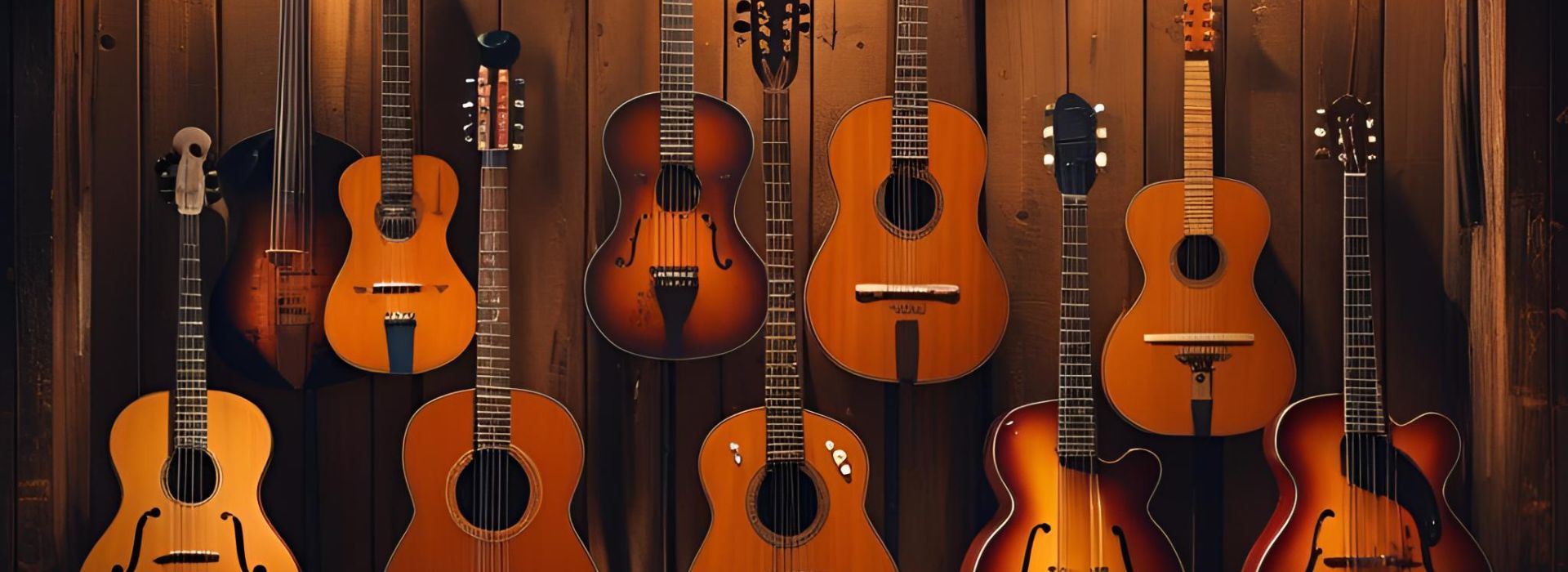
- String Instruments
String instruments, also known as chordophones, produce sound through the vibration of strings. The sound can be generated by plucking, bowing, or striking the strings.
Types of String Instruments:
- Guitar: One of the most popular string instruments worldwide, used in a variety of music genres including rock, pop, country, and classical music.
- Violin: A four-string instrument played with a bow, central to classical orchestras, chamber music, and folk traditions.
- Cello: Larger than the violin, the cello produces deep, rich tones, and is a staple in symphonies and solo performances.
- Harp: A large, multi-stringed instrument that is plucked with fingers, commonly used in classical, jazz, and folk music.
- Sitar: A traditional Indian instrument that has a distinctive sound and is essential in Indian classical music.
- Banjo: A stringed instrument with a drum-like body and a bright, percussive sound, commonly used in bluegrass and folk music.
- Mandolin: A small, eight-string instrument played with a plectrum, often found in folk, bluegrass, and classical music.
Use of String Instruments: String instruments have been pivotal in Western classical music, forming the backbone of orchestras and chamber ensembles. They are also commonly used in folk traditions around the world. The versatility of string instruments allows them to be used in a range of settings—from intimate solo performances to large, sweeping orchestral compositions.
.
- Brass Instruments
Brass instruments are characterized by their metal construction, usually made from brass (hence the name), and their ability to produce sound when air is blown through a mouthpiece. The pitch is altered by changing the embouchure (the way the lips are shaped) and the valve system, which changes the length of the instrument.
Types of Brass Instruments:
- Trumpet: A small, high-pitched brass instrument with three valves. It is commonly used in jazz, classical, and military bands.
- Trombone: Known for its slide mechanism, which allows the player to change pitch smoothly, it is used in jazz, orchestral, and popular music.
- French Horn: A brass instrument with a coiled shape, it produces a mellow sound and is typically used in orchestral settings.
- Tuba: The largest and lowest-pitched brass instrument, often providing the foundational bass line in brass ensembles and orchestras.
- Cornet: Similar to the trumpet but with a more compact shape, the cornet is used in brass bands and concert bands.
Use of Brass Instruments: Brass instruments are essential in orchestral music, marching bands, jazz bands, and military bands. The bold, powerful sound of brass instruments allows them to cut through the texture of an ensemble, creating a dynamic and impactful sound. They are often used for fanfares, dramatic moments, and strong melodic lines.

- Woodwind Instruments
Woodwind instruments produce sound when air is blown through them, typically through a reed or across an opening. The sound is modified by the length of the instrument and the finger holes or keys that alter the pitch.
Types of Woodwind Instruments:
- Flute: A high-pitched, non-reed instrument that is played by blowing air across an opening. It is often used in orchestras, concert bands, and solo performances.
- Clarinet: A single-reed instrument that produces a rich, warm sound. It is used in orchestras, jazz, and klezmer music.
- Saxophone: A reed instrument that combines elements of both woodwind and brass instruments. It is commonly used in jazz, rock, and classical music.
- Oboe: A double-reed instrument known for its bright, penetrating sound. It is an essential part of the woodwind section in orchestras.
- Bassoon: A large, double-reed instrument that produces deep, rich tones. It is a key member of the woodwind section in orchestral music.
Use of Woodwind Instruments: Woodwind instruments are prominent in classical orchestras, military bands, and concert bands. Their ability to produce both lyrical melodies and rapid, virtuosic passages makes them indispensable in a wide range of musical settings. They are also central to jazz and folk music, providing both harmony and soloistic opportunities
The Craftsmanship Behind Handcrafted Musical Instruments
At Al Yamuna Overseas Pvt Ltd, we take pride in the quality and artistry that goes into each handcrafted musical instrument we produce. Crafting a musical instrument is a delicate process that requires both technical expertise and a deep understanding of the materials used.
- Materials
The quality of sound produced by an instrument is often determined by the materials used in its construction. For percussion instruments, we may use different types of wood, metals, or synthetic materials depending on the desired sound. String instruments are typically crafted from high-quality woods like spruce, maple, or rosewood, while brass instruments are made from brass or other alloys.
For woodwind instruments, materials like grenadilla wood, bamboo, or metal are commonly used, depending on the specific type of instrument. The mouthpieces and reeds, often made of fine wood or synthetic materials, are crafted to ensure that they produce the perfect sound.
- Construction
The construction process is a labor-intensive task that requires a high degree of precision. For example, a violin requires careful carving of the body and neck, as well as the installation of fine tuners and strings. Similarly, a flute requires meticulous shaping of the tube and the fitting of keys.
In percussion instruments, the tuning of drums or cymbals involves precise adjustment to ensure the right pitch and resonance. For brass instruments, the shaping of the bell, tubing, and valves is done with expert hands to ensure durability and tonal quality.
- Finish and Detailing
The finishing touches on an instrument are what elevate it to the level of a work of art. Each piece is carefully polished, and any metal parts are treated for durability. Many handcrafted instruments are also adorned with intricate carvings, inlays, or other decorative details that make them unique.
Where Musical Instruments Are Used
The use of musical instruments is universal, spanning across cultures, geographical locations, and time periods. From the ceremonial drums used in ancient cultures to the grand concert halls of the modern world, musical instruments have had a profound impact on societies.
- In Orchestras and Concert Halls: String, brass, and woodwind instruments are staples of orchestral music, while percussion instruments provide rhythmic support.
- **In Traditional and